+ 1 (866) 665-1130

Blog

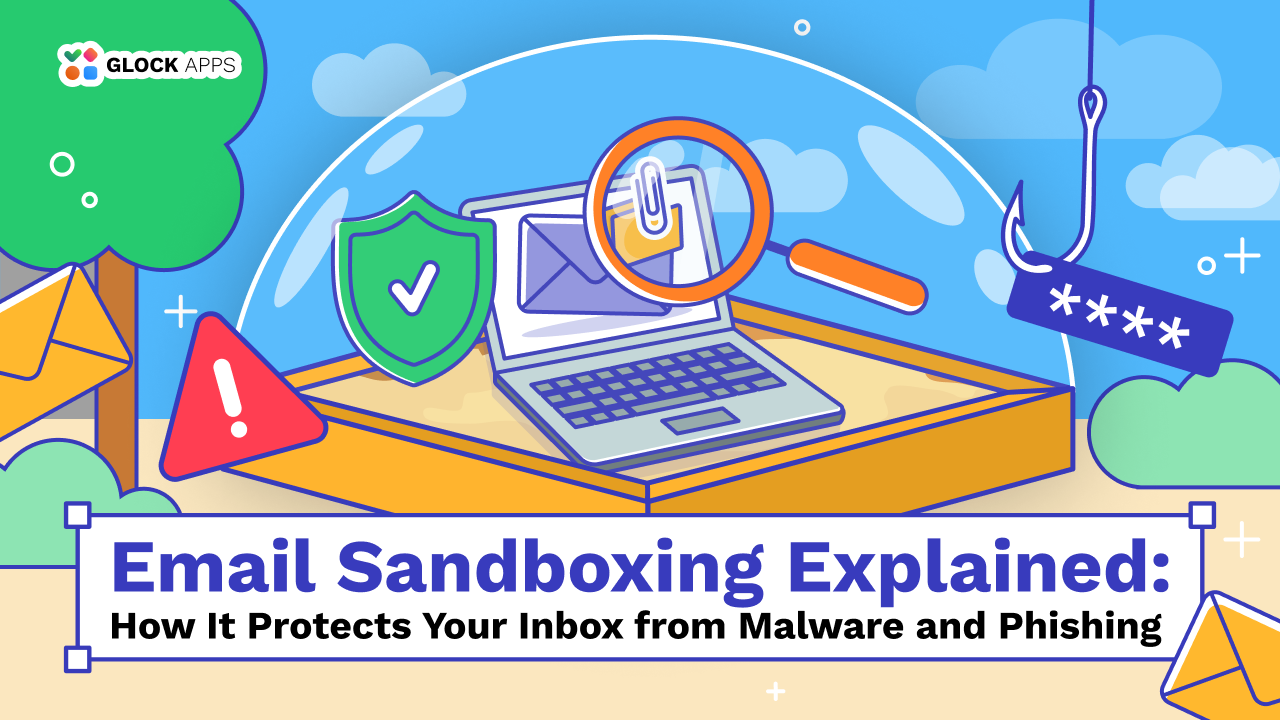
Email Sandboxing Explained: How It Protects Your Inbox from Malware and Phishing

Written by Tanya Tarasenko

Every day, organizations receive thousands of emails containing attachments, links, and embedded scripts. While most of them are harmless, some hide sophisticated malware designed to bypass traditional security filters. Over the years working in email deliverability, I’ve noticed that standard spam filters alone are no longer enough to stop advanced threats. Attackers continuously evolve their techniques, creating malicious files that look legitimate and evade conventional detection.

Is Your Domain Listed on SURBL? Here’s How to Remove It

Written by Tanya Tarasenko

If you work in email marketing or manage outbound infrastructure, sooner or later you’ll run into a blacklist issue. One name that often raises questions is SURBL.

Over the years, I’ve seen how confusion around SURBL leads to panic: “My IP is blacklisted!” In reality, SURBL works a bit differently than many traditional DNSBLs. In this article, we’ll talk about what SURBL actually is, how it works, how to check whether you’re affected, and how to fix the issue in four clear steps.

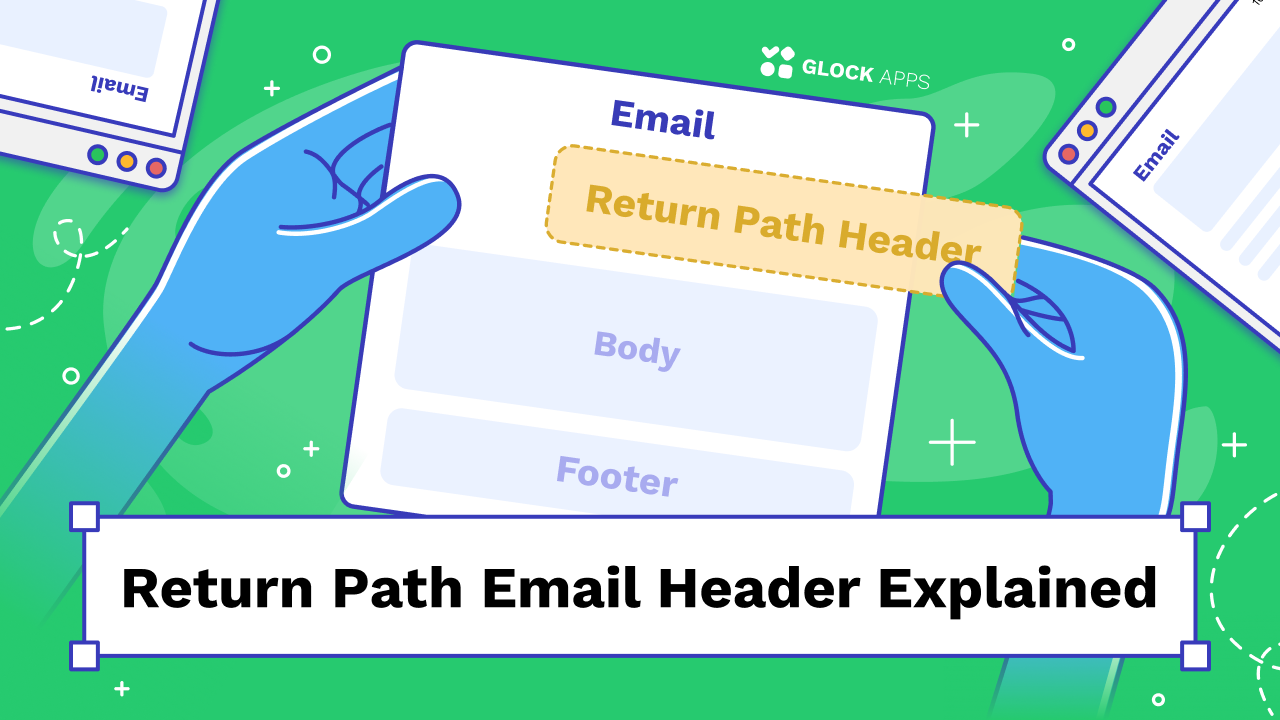
Return Path Email Header Explained

Written by Julia G

When a recipient’s mail server rejects an inbound email, where does that message go? Does it just disappear or does it go back to the sender?

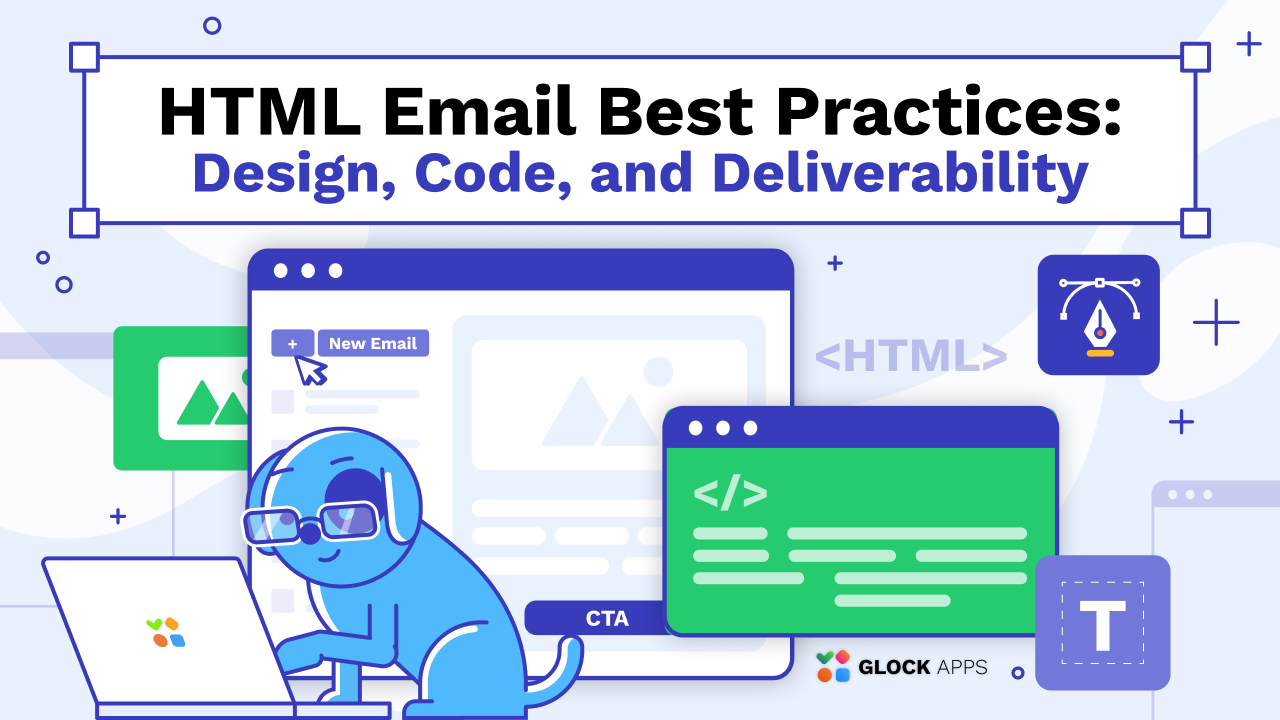
HTML Email Best Practices: Design, Code, and Deliverability

Written by Tanya Tarasenko

HTML emails can be powerful, visually engaging, interactive, and conversion-driven. But they can also break, land in spam, or render inconsistently if built carelessly. After years of working with email marketers, developers, and deliverability teams, I’ve seen one consistent pattern: beautiful design means nothing if the email doesn’t reach the inbox or render correctly.

AI Summaries in Email: Strategies for Gmail and Apple Mail

Written by Tanya Tarasenko

Over the past year, I’ve watched inbox experiences change more dramatically than at any point in the last decade. What used to be a competition between subject lines and preheaders has evolved into something more complex: AI-generated summaries that shape what subscribers see before (and even after) opening an email.

What Is Targeted Email Marketing? A Guide for Email Marketers

Written by Tanya Tarasenko

Targeted email marketing is no longer a “nice-to-have” tactic, it’s the foundation of modern lifecycle communication. Over the years, I’ve noticed that the campaigns delivering the highest engagement rarely rely on clever subject lines alone. They succeed because the message, timing, and audience alignment feel intentional.

How to Send Mass Email in Outlook: A Practical Step-by-Step Guide

Written by Tanya Tarasenko

Email remains one of the most effective communication channels for announcements, newsletters, internal updates, and client outreach. Yet many people still struggle with how to send mass email in Outlook without creating spammy experiences, exposing recipient addresses, or damaging deliverability.

Does Gmail Unsubscribe Work? Implications for Marketers & Deliverability

Written by Tanya Tarasenko

What is Gmail’s automatic unsubscribe? Discover how to unsubscribe from emails Gmail shows, how the Gmail unsubscribe button works, and what it means for senders.

MX Backup Explained: Pros, Cons, and Best Practices

Written by Tanya Tarasenko

Email is one of the most business-critical communication channels. When incoming mail fails, the consequences can include lost leads, missed support requests, and damaged credibility. A backup MX strategy helps protect against these risks by ensuring emails are still accepted even when your primary mail server becomes unavailable.

Nostalgia in Marketing: How Brands Use Emotional Memory in Email

Written by Tanya Tarasenko

Nostalgia marketing taps into memories, feelings, and cultural moments that make people feel safe, understood, and emotionally connected.
In times of information overload, consumers don’t just respond to features or discounts, they respond to feelings. That’s where nostalgia in marketing shines. Email campaigns that reference shared memories, familiar visuals, or emotional “throwbacks” can instantly create warmth, trust, and higher engagement.